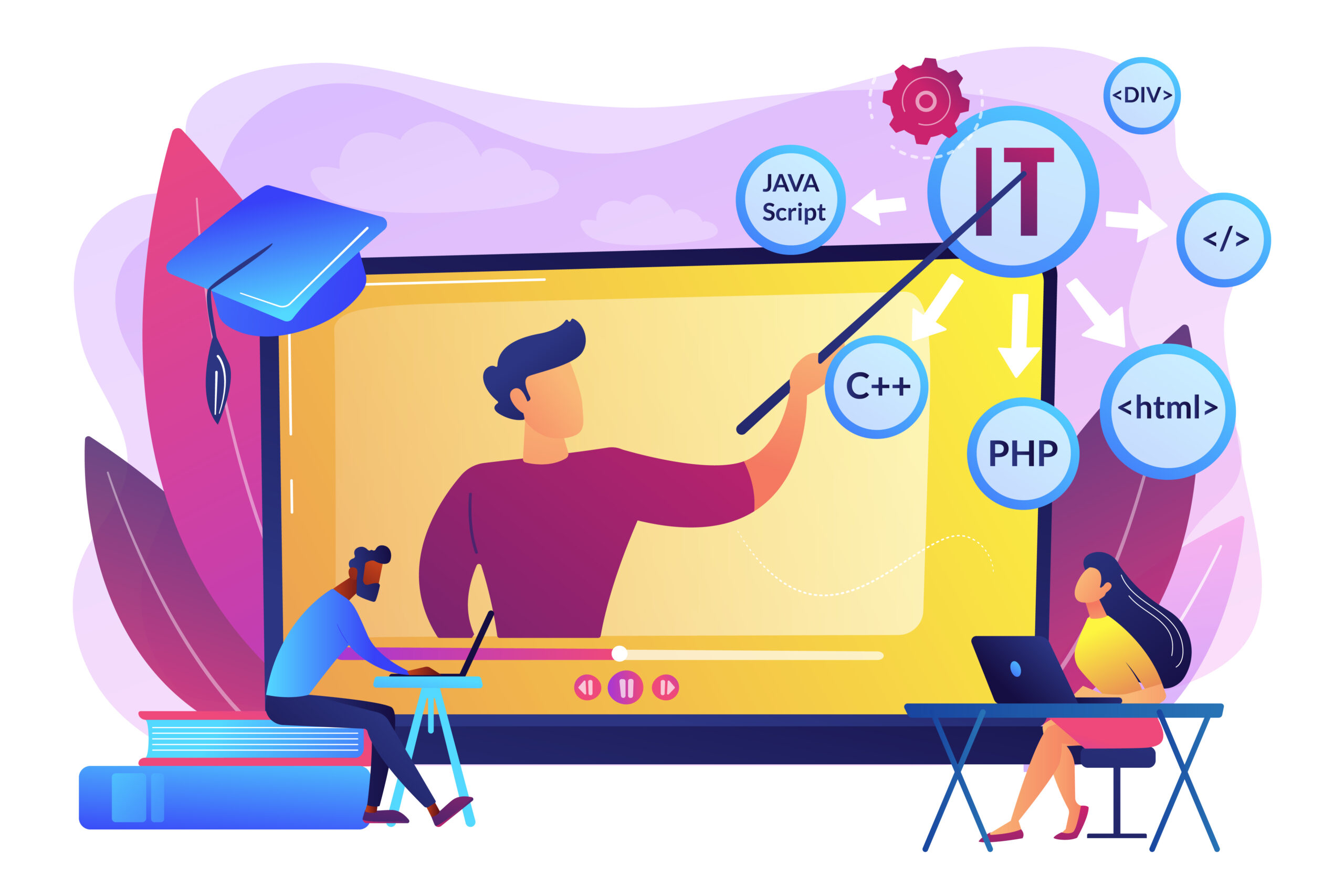
The Department of Computer Sciences at the International College of Contemporary Sciences advances computing knowledge with a focus on real-world application, ethical practice and innovation. Our teaching is research-informed and industry-aware, enabling students to design, build and evaluate software and systems that make a measurable difference.
Curriculum aligned to contemporary industry practice and emerging technologies
Balance of theory, problem solving and hands-on development
Strong emphasis on professional standards, security, accessibility and ethics in computing
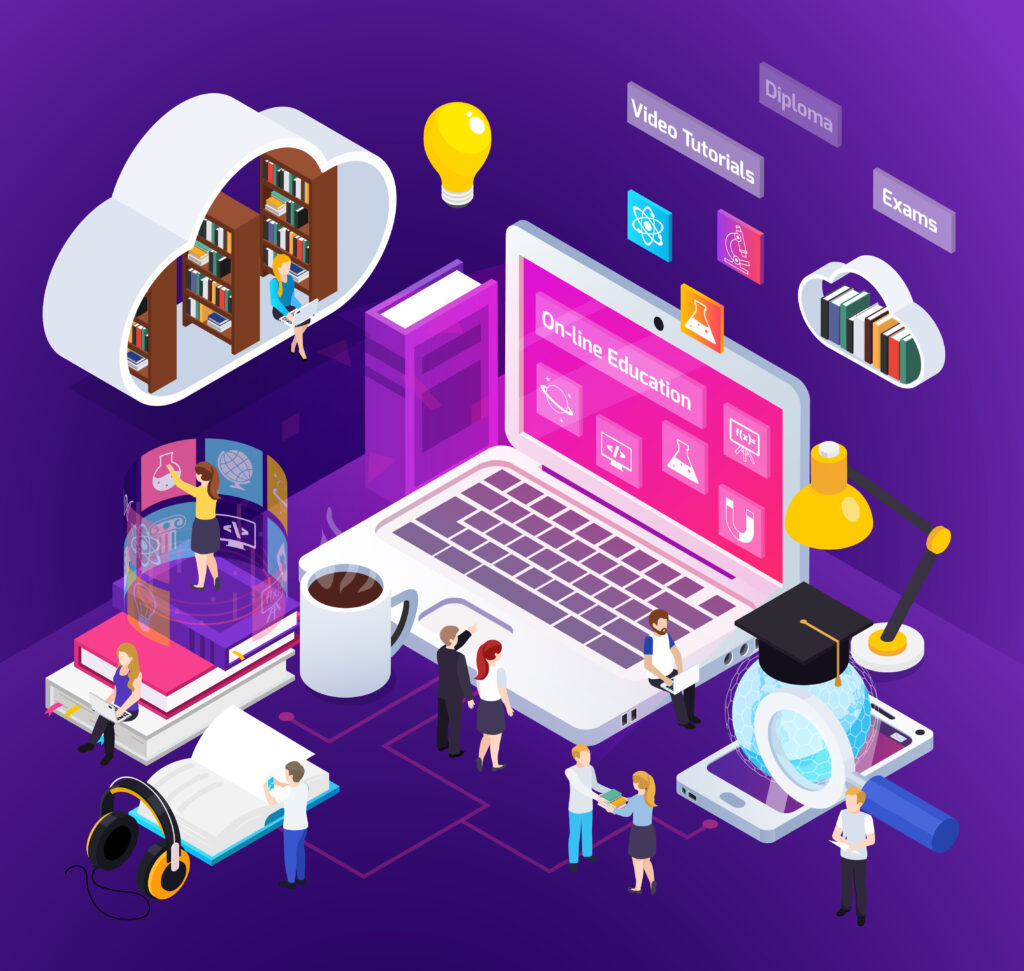
Access to ICCS Digital Learning Resources for e-books, journals, datasets and developer tools
Individualised academic skills support and careers guidance
Subject Areas
Software engineering and programming paradigms
Web, cloud and distributed systems
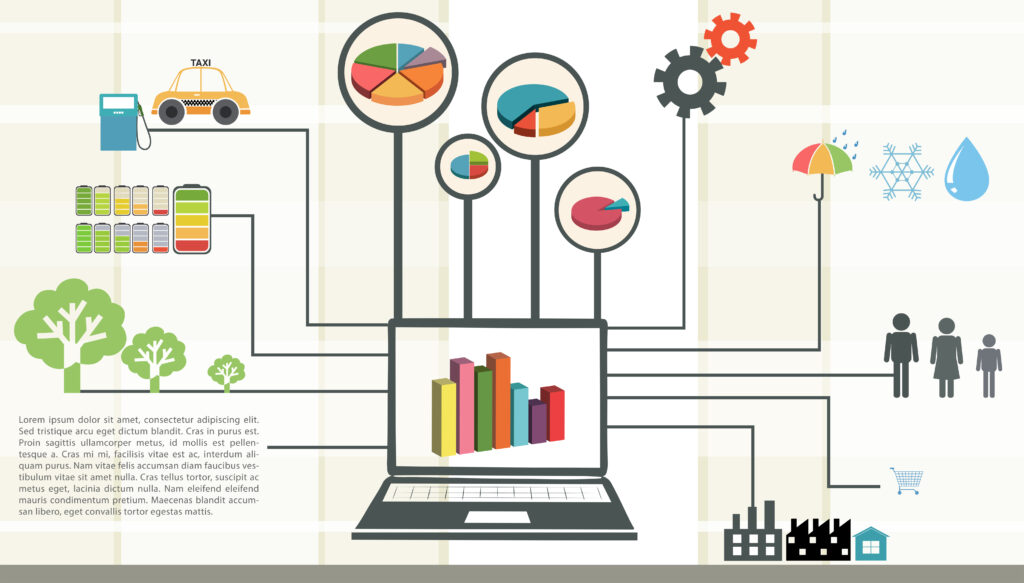
Databases, data engineering and analytics
Cyber security fundamentals and secure development
Networks and operating systems
Human computer interaction and user experience
Artificial intelligence and machine learning foundations
DevOps, testing and quality assurance
What you will learn
Students develop fluency in core programming languages, sound knowledge of algorithms and data structures, and the ability to model problems, design solutions and evaluate performance. By graduation, learners can collaborate effectively, write maintainable code, document their work clearly and act with integrity and professional responsibility.
How you will learn
Learning combines lectures, labs, workshops and supervised projects. Assessment typically includes coding assignments, technical reports, demonstrations, presentations and team projects based on authentic briefs. Students use contemporary tools such as version control, issue tracking and continuous integration to mirror professional workflows.
Facilities and resources
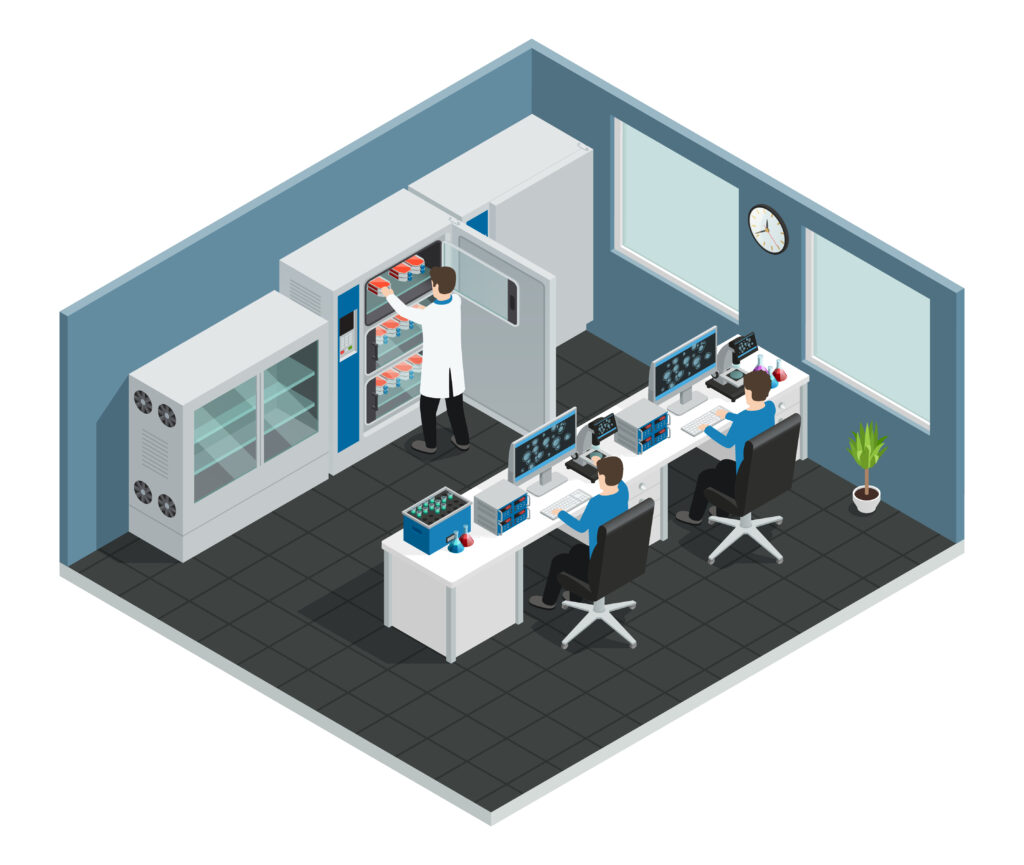
ICCS provides modern teaching spaces and dedicated labs with access to development environments and collaboration platforms. Students use the Digital Learning Resources platform for journals, technical references, standards and skills development materials. Guest talks and practitioner sessions bring current practice into the classroom.
Industry engagement
The Department works with professionals to inform curriculum design, set live briefs and provide insight into emerging trends. Students are encouraged to build professional networks, contribute to open-source projects where appropriate and showcase their work through portfolios and public demonstrations.
Careers and Progression
Graduates pursue roles such as junior software developer, web developer, QA engineer, DevOps assistant, data technician, cyber security analyst trainee and systems support analyst. Many graduates progress to further study in specialist areas of computer sciences and data.
Student Support
ICCS offers academic skills tutoring, wellbeing services, careers and employability support, and mentoring. Our inclusive approach ensures timely guidance, regular feedback and opportunities to reflect on progress.
Entry Guidance
Typical applicants present evidence of prior study at the appropriate level and demonstrate motivation for computer sciences. International applicants may need to evidence English language proficiency. Full entry criteria are published on the ICCS Admissions pages.
How to Apply
Applications are made through the ICCS Admissions team. Prospective students should submit an application form, supporting documents and evidence of identity. Advice is available at every stage.
Department of Computer Sciences |International College of Contemporary Sciences |Email: info@iccs.uk |Telephone: +44 20 8090 4209 |